

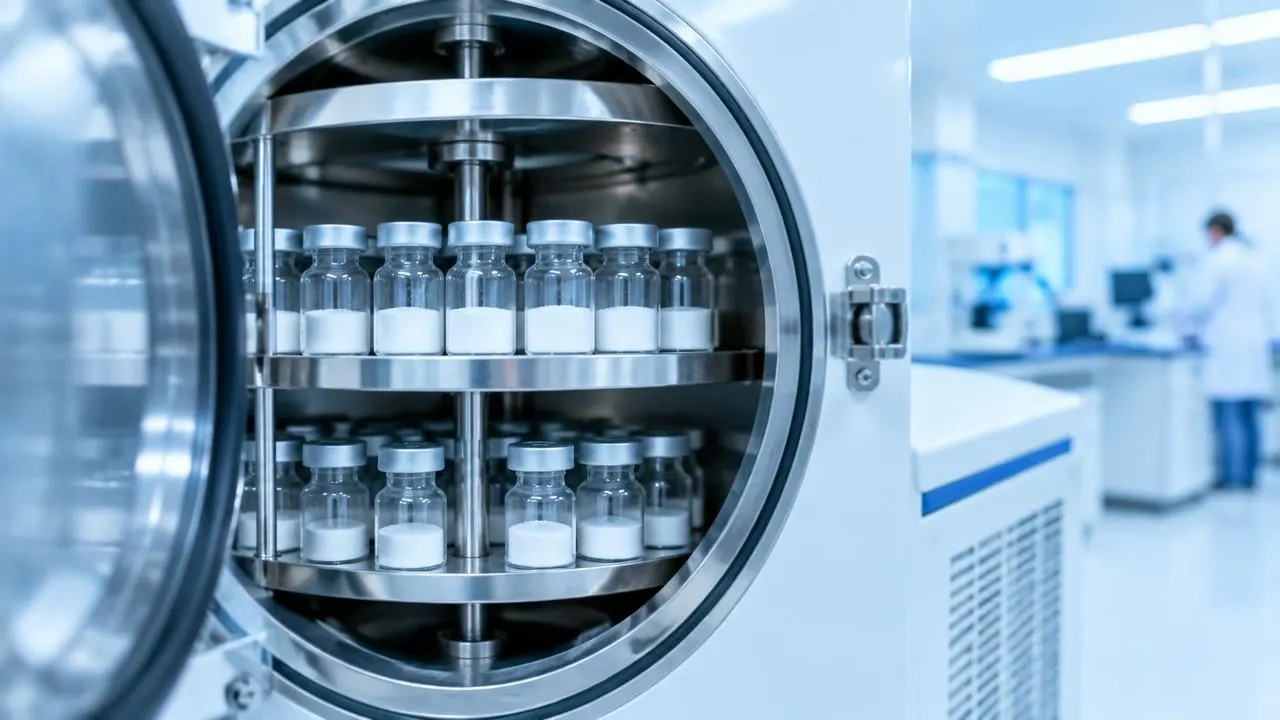
 Fundamentals
6 min read
Lyophilisation Explained: Why Research Peptides Ship as Powder
Freeze-drying turns a fragile peptide solution into a stable powder. Here is what happens inside the lyophiliser and why it matters for your data.
Research notebook
Written by the Alveon research team for scientists who work with the compounds we ship — analytical standards, purity fundamentals, and laboratory documentation practice.
FundamentalsFreeze-drying turns a fragile peptide solution into a stable powder. Here is what happens inside the lyophiliser and why it matters for your data.
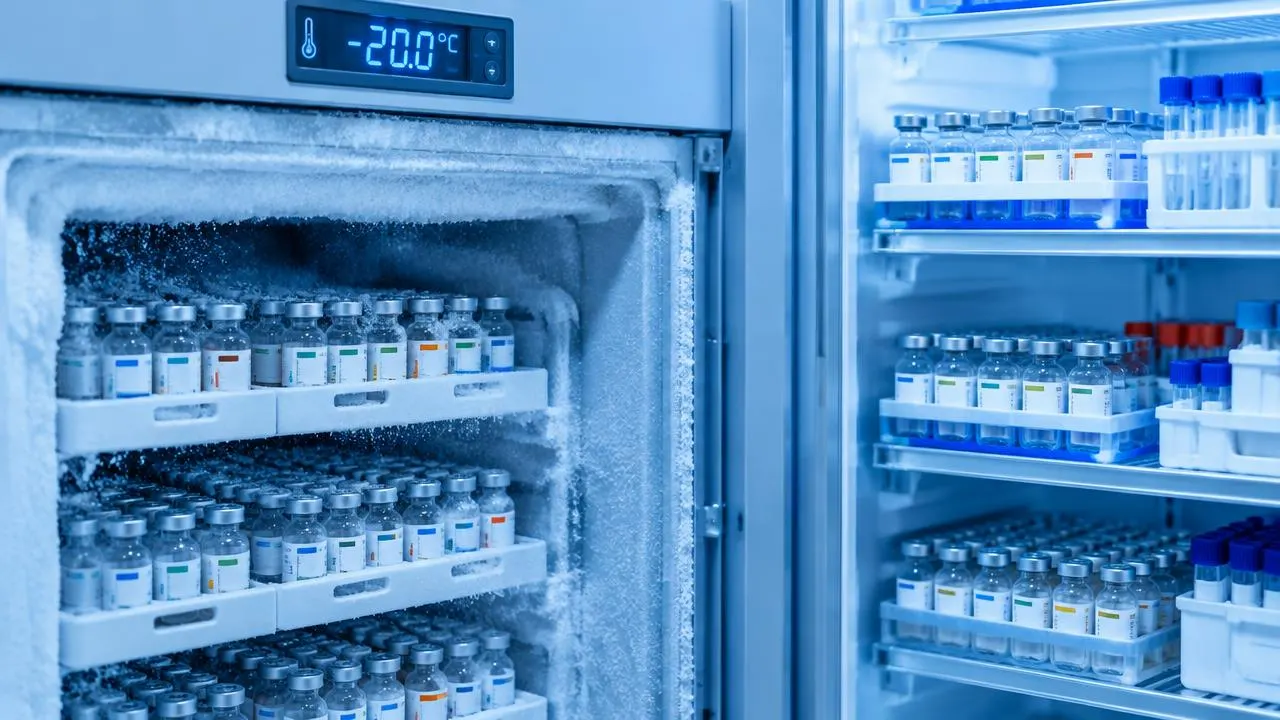 Laboratory handling
Storage conditions decide whether a peptide in month six behaves like the peptide in week one. A practical guide for laboratories.
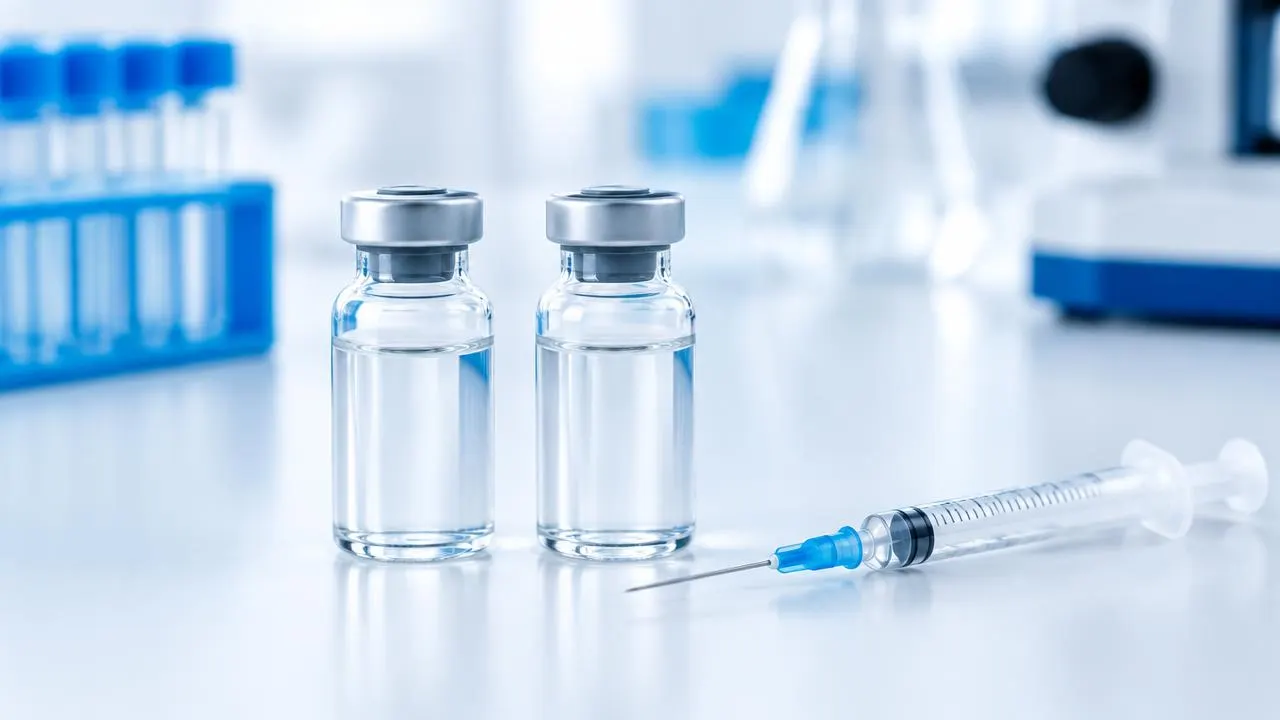 Laboratory handling
Both are sterile, but only one is designed for repeated access. How to pick the right diluent for lyophilised reference material.
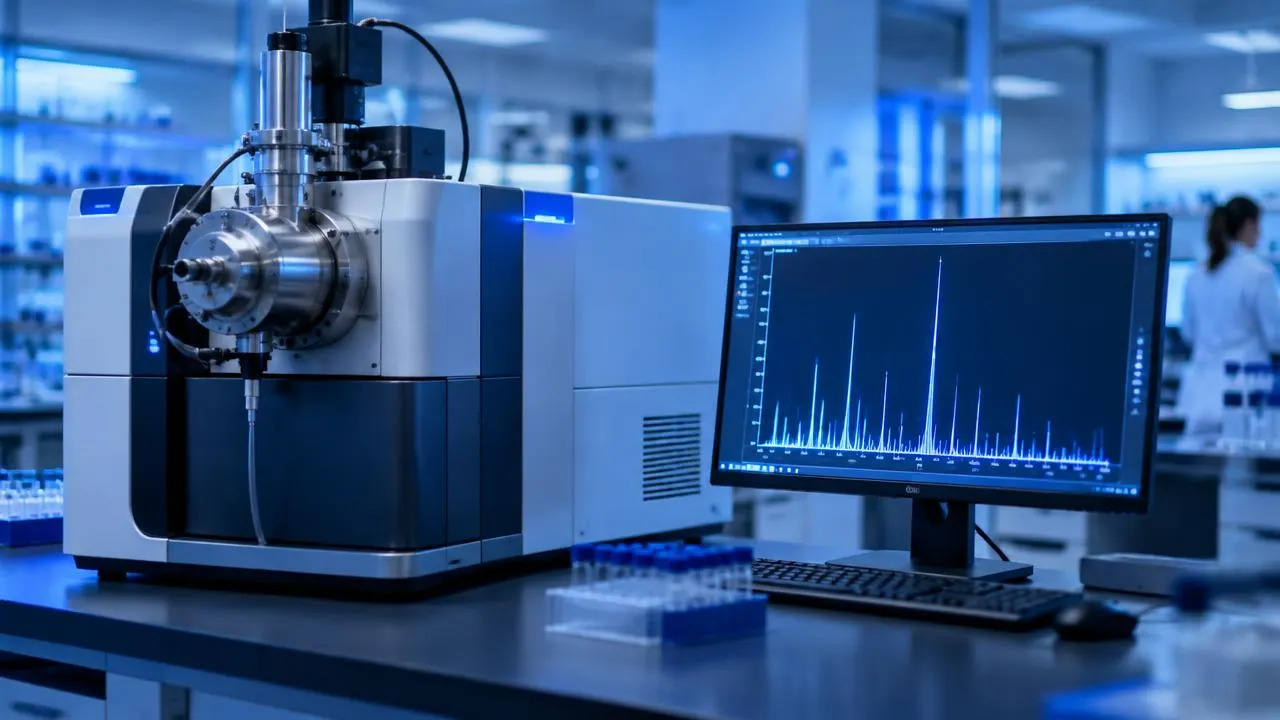 Quality & compliance
HPLC tells you how pure a sample is. Mass spectrometry tells you whether it is the right molecule at all.
 Fundamentals
From resin bead to purified vial: the chemistry behind every research peptide in a modern catalog.
 Laboratory handling
Understanding how peptides break down is the first step to keeping them intact through an entire study.
 Research methods
Selective reference ligands make receptor assays interpretable. Here is how GHS-R1a binding studies are designed.
 Research methods
A 16-residue peptide encoded in mitochondrial DNA has become a key tool for cellular energetics research.
 Research methods
NAD+ sits at the centre of cellular redox chemistry. How laboratories use it as a reagent in enzyme and pathway assays.
 Research methods
A tripeptide with a high affinity for copper(II) — and a distinctive colour that tells you the complex is intact.
 Research methods
Dual and triple agonist reference peptides demand careful assay design. An overview of in-vitro incretin receptor pharmacology.
 Research methods
Thymosin beta-4 is one of the cell's main actin-sequestering peptides — and a classic tool in migration assays.
 Research methods
Two short synthetic peptides derived from natural sequences have become reference tools in neurochemistry research.
 Quality & compliance
The salt form of a peptide changes how much active peptide is in the vial — and can affect sensitive cell assays.
 Quality & compliance
Trace endotoxin can trigger strong responses in immune cell cultures. What laboratories should know about LAL testing.
 Quality & compliance
Reproducibility starts with a notebook. A practical template for tracking peptide reagents from delivery to data.
 Laboratory handling
Every freeze-thaw cycle costs a little integrity. Aliquoting once saves a study's worth of variability.
 Laboratory handling
A peptide that will not dissolve is a peptide that cannot be studied. A systematic approach to solubility.
 Sourcing
Not every vial is equal. Ten questions to ask before choosing a research peptide supplier.
 Fundamentals
From SPPS to net peptide content: a quick-reference glossary for researchers working with peptides.
 Procurement
Identity, purity, handling history, and lot-level documentation directly affect whether a result can be trusted, repeated, and defended — here is how to source accordingly.
 Fundamentals
Short chains of amino acids that let scientists probe specific biological pathways with precision — here is what every researcher new to peptides should know.
 Quality & compliance
The number printed on a Certificate of Analysis controls how much noise every downstream experiment inherits. Here is how to read one — and what the 99% threshold really means.
Alveon Assistant
Online · replies instantly
Hello! I'm the Alveon assistant. I can help you find research peptides, compare products, track an order, or connect you with our team. How can I help today?
Suggested questions