
Peptides sit at the intersection of small molecules and full proteins. They are short chains of amino acids — typically between two and fifty residues — held together by peptide bonds. In the laboratory they are indispensable tools: precise enough to target a single receptor, small enough to synthesize on demand, and stable enough to ship, store, and reconstitute for controlled experiments.
If you are new to research peptides, this guide walks through what they are, how they differ from proteins and pharmaceuticals, why purity matters, and how they end up in the modern research workflow.
Peptides vs proteins vs small molecules
The line between a peptide and a protein is one of size and behaviour. Below roughly fifty amino acids, a chain folds loosely and behaves as a peptide — flexible, often signalling in nature, and comparatively straightforward to synthesise by solid-phase chemistry. Above that threshold the chain adopts stable tertiary structure and is considered a protein.
Small molecules — the traditional building blocks of pharmacology — are usually under 900 daltons and act by binding pockets on enzymes or receptors. Peptides bind larger surfaces, mimicking the interactions natural signalling molecules use. That difference gives them exquisite selectivity, and it is why research groups increasingly reach for a peptide when a small molecule cannot discriminate between two closely related targets.
How research peptides are made
Modern research peptides are almost always produced by solid-phase peptide synthesis (SPPS). Amino acids are added one at a time to a growing chain anchored on a resin, with each coupling step monitored for completeness. After the chain is finished, the peptide is cleaved from the resin, purified by preparative HPLC, and confirmed by mass spectrometry.
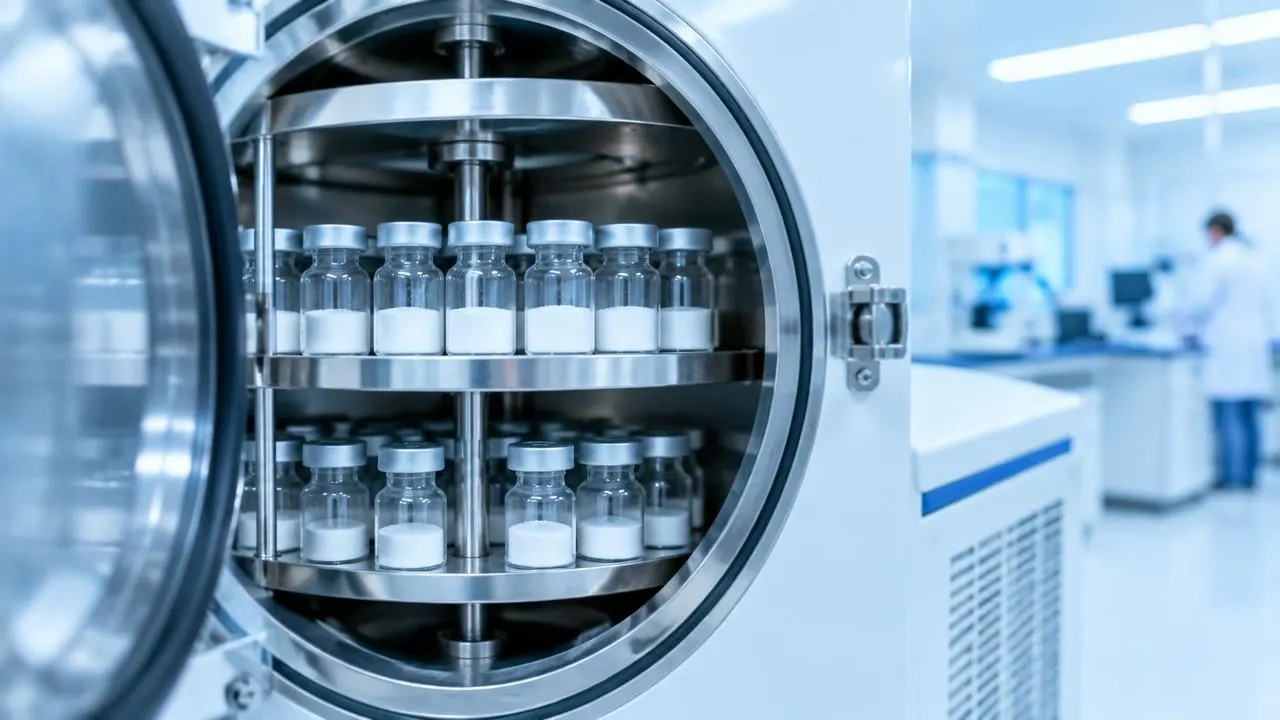
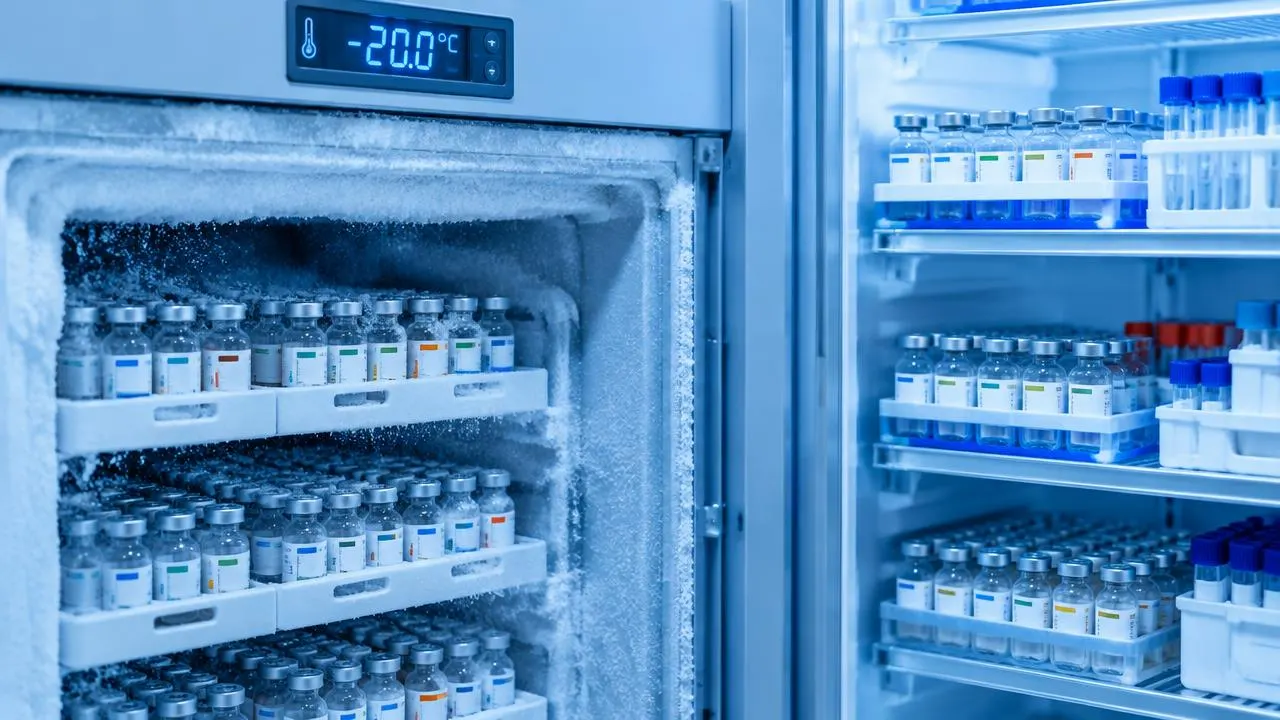
The final material is then lyophilised — freeze-dried — to a light powder that is stable at −20 °C for extended periods. The lyophilised vial you receive in the mail is the same physical form used across academic and industrial laboratories.
Why purity is not a marketing number
A peptide labelled 95% pure is not "almost as good" as one at 99%. The remaining 5% is a mixture of truncated sequences, deletion peptides, and side-reaction products — all of which are biologically active in unpredictable ways. In a receptor binding study those impurities compete for the same binding pocket and blur every data point.
Common categories in a modern peptide catalog
Research peptides tend to cluster into a handful of functional families:
- Metabolic and incretin research peptides (Retatrutide, Tirzepatide, Semaglutide) — used in glucose homeostasis, incretin signalling, and body-composition studies.
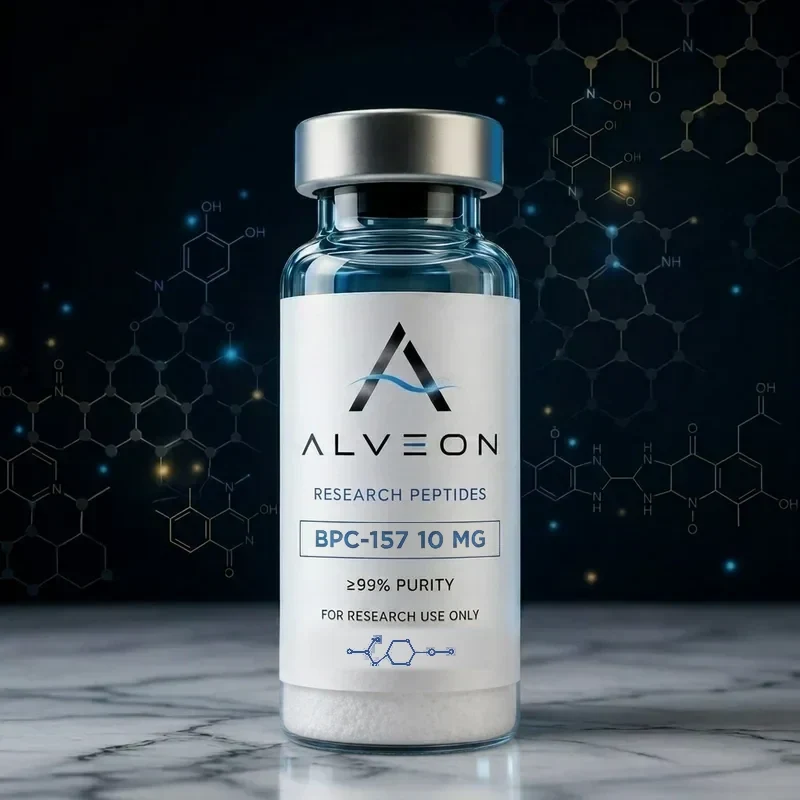
- Tissue repair peptides (BPC-157, TB-500, GHK-Cu) — investigated for angiogenesis, extracellular matrix remodelling, and wound-model research.
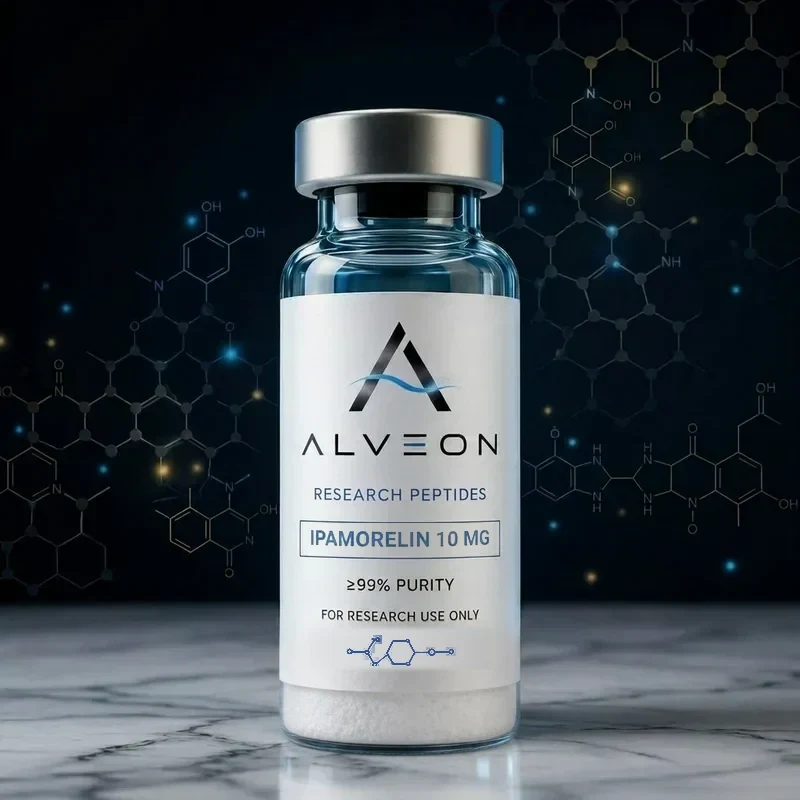
- Hormonal and performance peptides (Ipamorelin, CJC-1295, Sermorelin) — growth hormone secretagogue research and endocrine signalling.
- Nootropic peptides (Semax, Selank, Cerebrolysin fragments) — neuroprotection and BDNF pathway investigation.
- Longevity and mitochondrial peptides (MOTS-c, Humanin) — cellular energetics, sirtuin activity, and ageing biology.
A responsible starting workflow
If you are setting up a peptide research programme for the first time, a defensible workflow looks like this:
- Source only from suppliers who publish or provide a Certificate of Analysis for every batch.
- Store the lyophilised vial at −20 °C in a dark, dry environment until reconstitution.
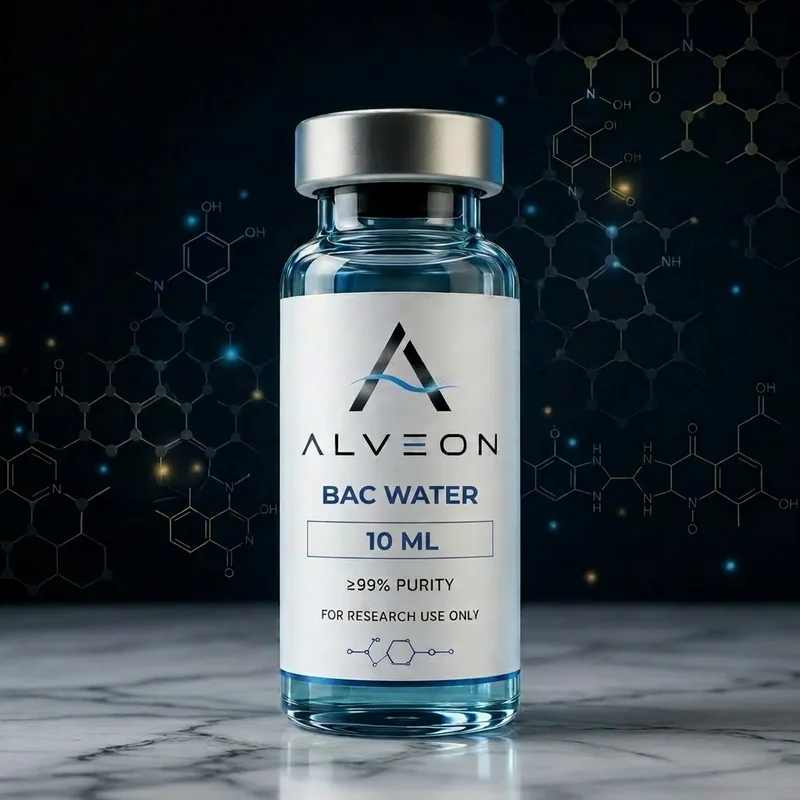
- Reconstitute with an appropriate sterile diluent — bacteriostatic water for most peptides, though some are pH-sensitive.
- Aliquot reconstituted material into single-use vials to avoid repeated freeze-thaw cycles.
- Log lot numbers, reconstitution dates, and storage conditions alongside every experiment.
Where to go next
Once you have a peptide in hand, the document that matters most is the Certificate of Analysis that arrives with it. Reading it correctly is covered in a dedicated guide on the Alveon blog, and it will pay for itself the first time it saves a compromised batch of data.