
GHK is the tripeptide glycyl-L-histidyl-L-lysine. It binds copper(II) with high affinity, forming the GHK-Cu complex used in matrix biology and chelation research.
Where the colour comes from
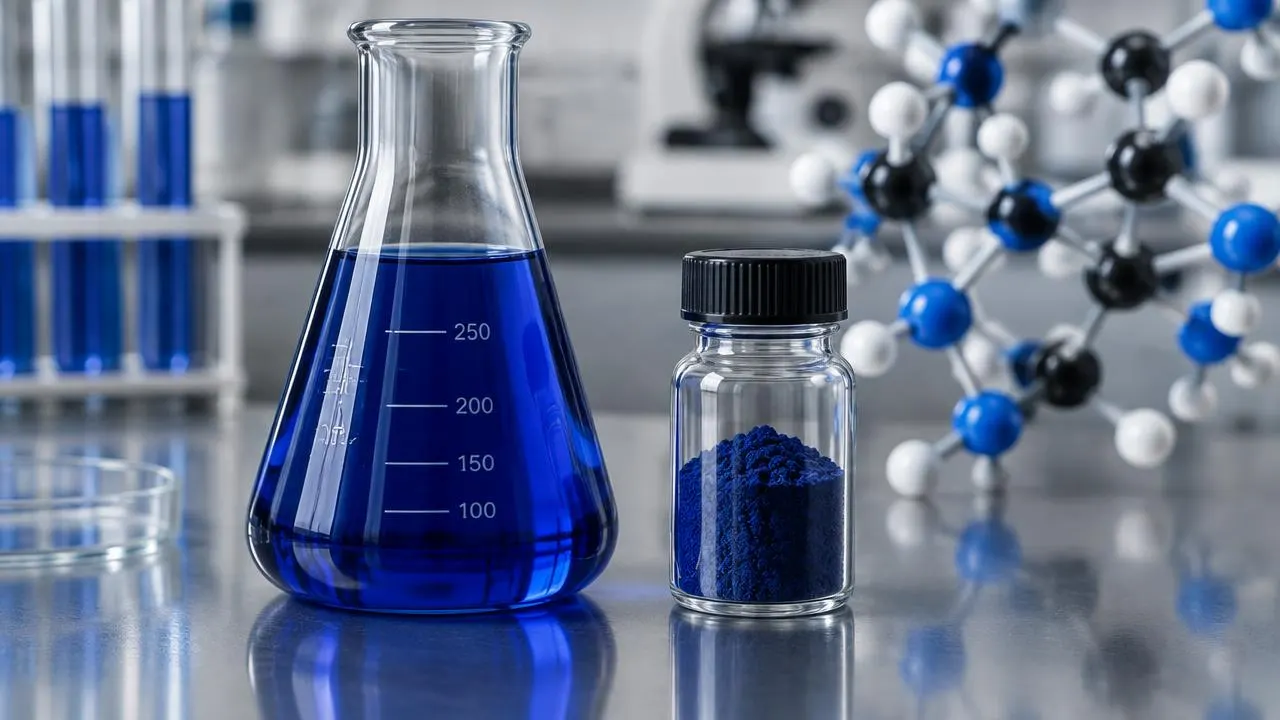
Copper(II) coordinated by nitrogen atoms from the glycine amine, the deprotonated amide and the histidine imidazole absorbs light in the red region of the spectrum, so the complex appears blue. A deep, even blue powder is a quick visual cue that the complex is formed.
Research applications
- In-vitro collagen and extracellular matrix studies
- Metal-peptide binding and chelation chemistry
- Antioxidant assay systems
Handling
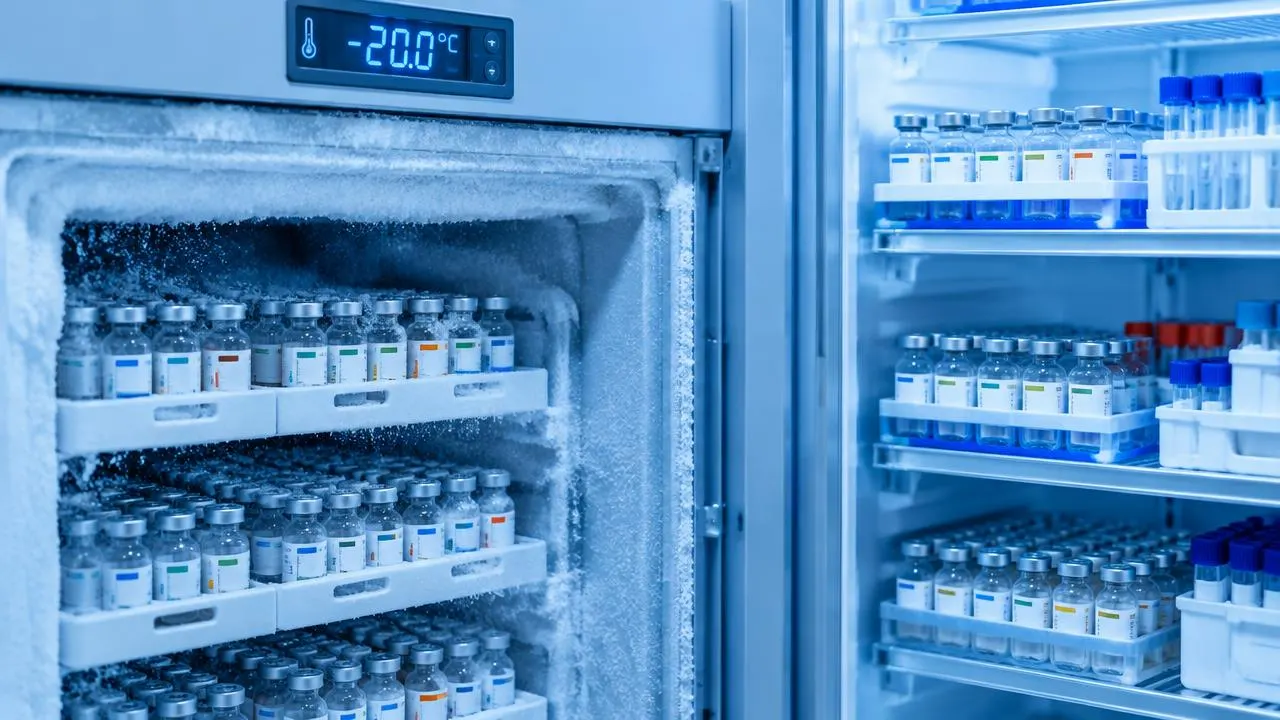
Avoid strong chelators such as EDTA in buffers unless studying competition, and protect solutions from light. Store lyophilised material cool and dry.
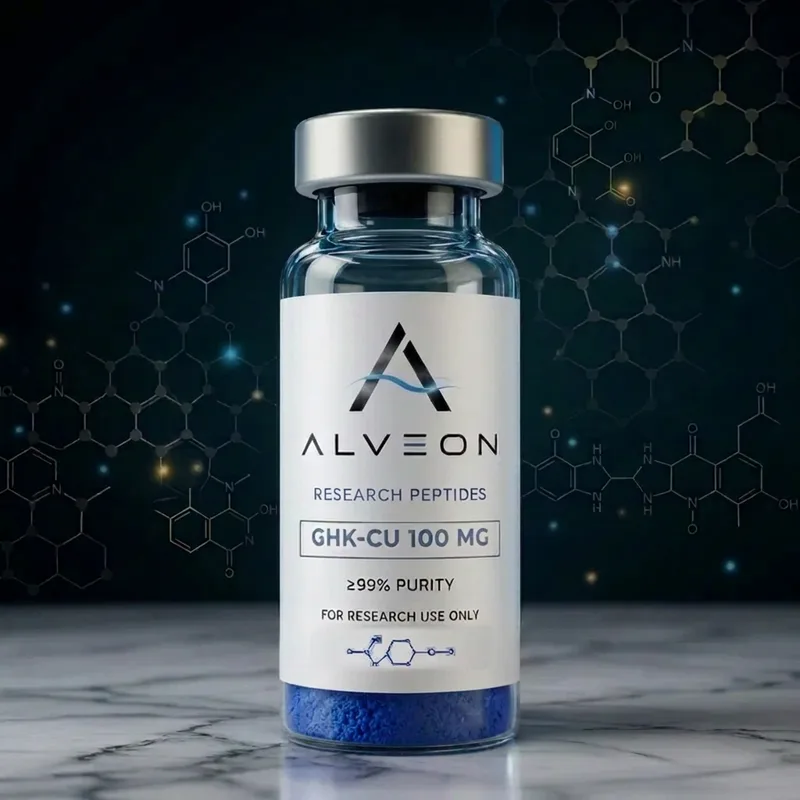
Related reagents: GHK-Cu 100 mg. Each batch ships with documented HPLC purity and a Certificate of Analysis on request.